

11 Tips From Professional Movers
Moving can be expensive, but one of the best ways to reduce your final cost is simply to be prepared. Because most local moves are priced by the hour, anything that helps your moving team work more efficiently can save you money.
Here are some of the most effective ways to make your move faster, smoother, and more affordable.
1. Be Accurate About Your Inventory
The more accurate your inventory is, the more accurately your moving company can estimate the time, crew size, and number of trucks your move will require.
Whether your estimate is completed in person, over the phone, or by email, try to include everything you expect the movers to handle. This includes furniture, boxes, garage items, outdoor furniture, exercise equipment, storage areas, and anything else that will be moved.
For example, if you estimate that you will have 20 boxes but have 90 boxes on moving day, the company may send a two-person crew when a three-person crew would have been more efficient. Although adding a mover increases the hourly rate, the right-sized crew can often complete the move much faster and save you money overall.
An accurate inventory also reduces the likelihood of needing another truck, a second trip, or additional time that was not included in the original estimate.
2. Pack All Loose Items
One of the biggest causes of moves taking longer than expected is having loose items throughout the home.
Knickknacks, decorations, kitchen items, bathroom products, clothing, and smaller belongings should be packed and sealed before the movers arrive. Drawers should also be emptied when their contents could shift, spill, add excessive weight, or need to be removed by the moving team.
Movers can safely and efficiently transport sealed boxes. When items are loose, the team may have to collect them individually, find a safe way to carry them, or wait while they are packed.
A simple rule to follow: if an item is small enough to fit safely inside a box, it should probably be packed before moving day.
3. Use Standard Moving Boxes
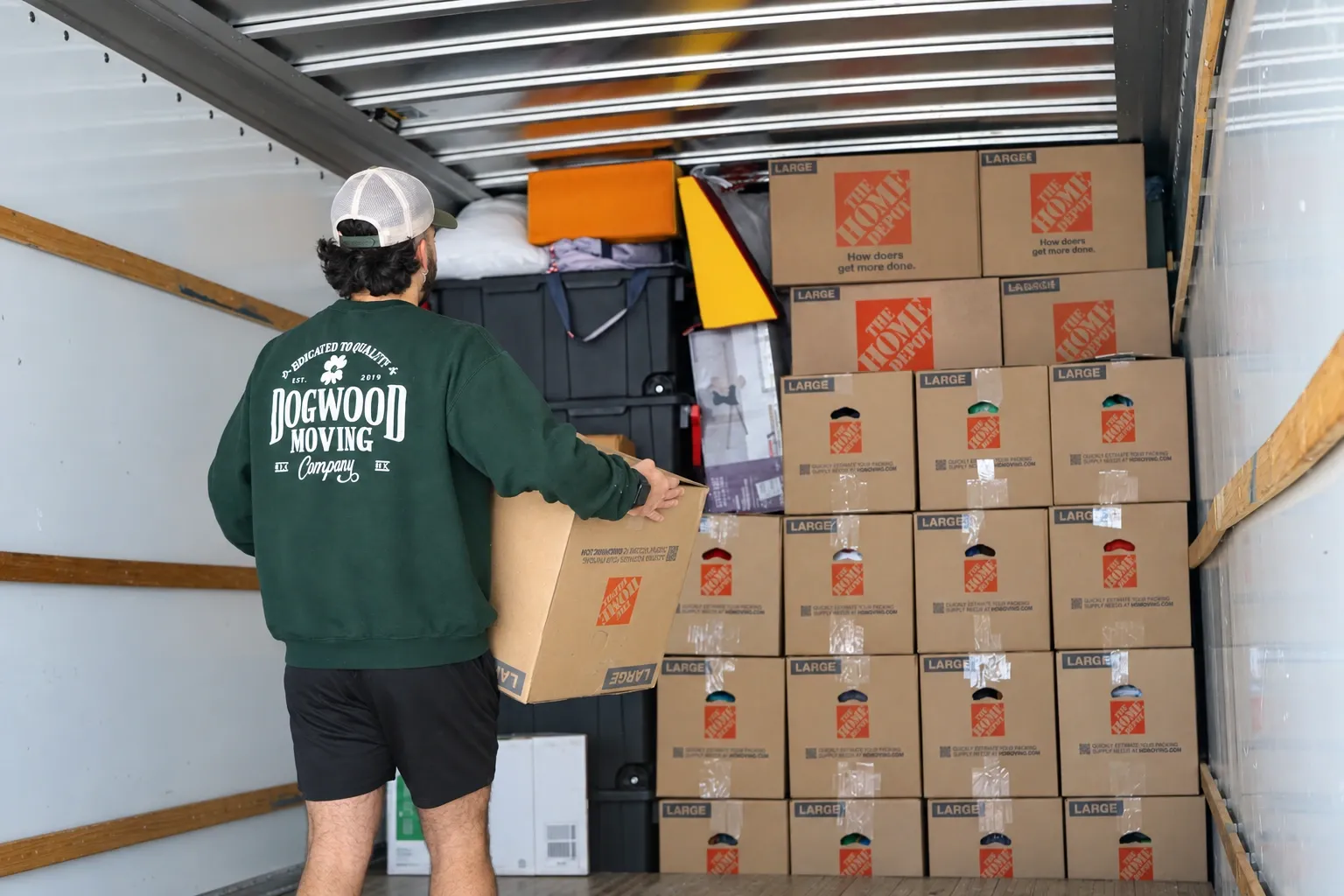
Whenever possible, use standard small, medium, and large moving boxes from places such as Home Depot, Lowe's, U-Haul, or Amazon.
A collection of liquor boxes, grocery boxes, shipping boxes, and leftover product packaging may appear to save money on supplies, but boxes with different shapes and sizes are harder to stack, carry, and load securely onto a moving truck.
Uniform moving boxes allow the crew to:
- Carry several boxes more efficiently
- Stack boxes securely on dollies
- Use the truck's space more effectively
- Reduce shifting and potential damage
- Unload and organize items more quickly
You do not need to purchase the most expensive boxes available, but sturdy, sealable, consistently sized boxes can make a noticeable difference.
4. Create Clear Pathways
Before the movers arrive, make sure there is a clear path from each room to the nearest exit.
If the crew must repeatedly move loose belongings, rearrange furniture, or clear walkways before carrying the items being moved, that additional work adds time.
Clear pathways also help protect your walls, floors, furniture, and moving team. Pay special attention to hallways, staircases, entryways, garages, and areas around large furniture.
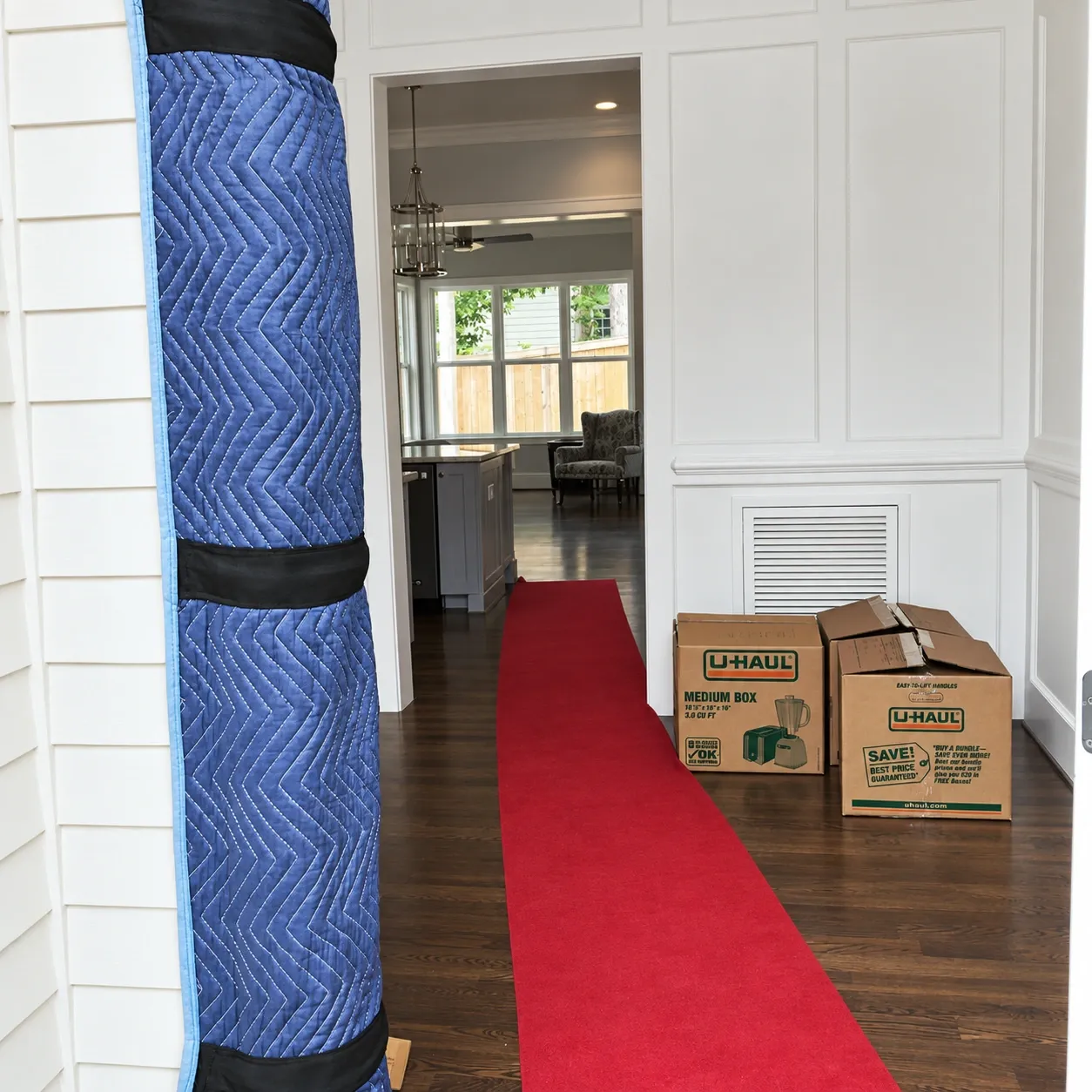
A clear, unobstructed hallway keeps the crew moving safely and quickly.
5. Place Boxes in Convenient, Organized Areas
If you are comfortable doing so, placing boxes in centralized areas can reduce the number of trips your movers must make.
For example, boxes from upstairs rooms can be placed near the top of the stairs, or boxes throughout the home can be organized in the garage or near an exit. However, boxes should never block staircases, doorways, or the crew's walking paths.
This step is completely optional. A professional moving company should be happy to collect boxes from the rooms where they were packed. Centralizing them is simply an additional way to reduce moving time if saving money is your highest priority.
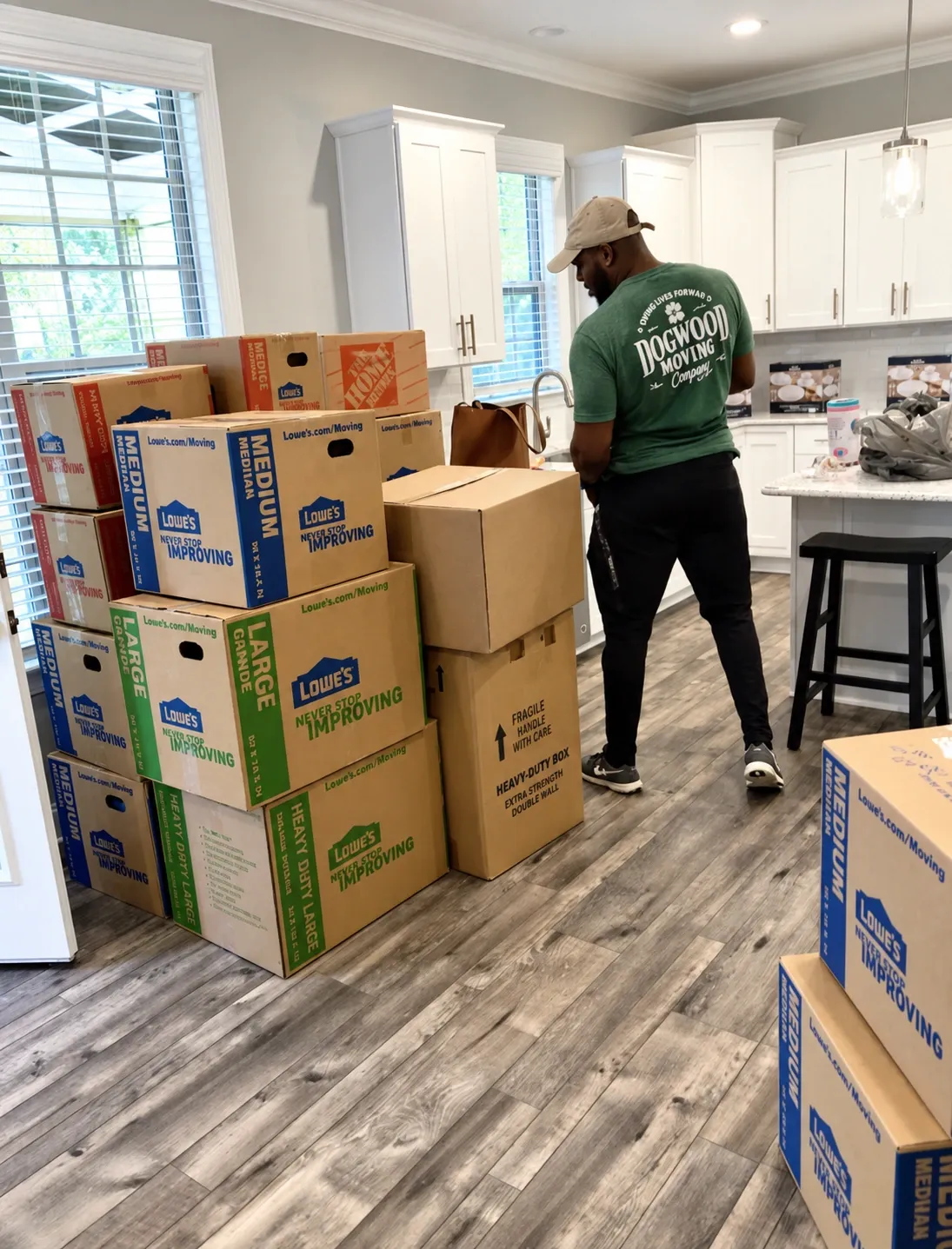
Centralizing boxes in an easy-to-reach spot helps the crew move quickly from room to room.
6. Label Boxes by Destination
Clearly label each box with the room where it belongs in the new home.
Instead of stopping to ask where every box should go, the team can immediately place it in the correct room. Labels should be easy to see from at least one side of the box, not only written on top, where they may be covered when boxes are stacked.
Consider using simple labels such as:
- Primary Bedroom
- Kitchen
- Upstairs Office
- Garage
- Bedroom 2
Signs placed at the entrances of rooms in the new home can also help the team match boxes to their destinations.
7. Prepare Furniture Before Moving Day
Remove clothing, linens, decorations, electronics, and personal items from furniture before the movers arrive. Beds should be stripped, and the tops of dressers, tables, and nightstands should be cleared.
If you are comfortable disassembling simple furniture yourself, completing that work in advance can save time. Keep all hardware in labeled bags and securely attach each bag to the correct piece of furniture.
For complicated, heavy, or valuable furniture, it may be safer to let the moving team handle the disassembly.
8. Handle Building and Parking Requirements in Advance
If your move involves an apartment, condominium, or office building, confirm all moving requirements beforehand. These might include:
- Reserving an elevator
- Scheduling a loading dock
- Obtaining parking permits
- Reserving a moving time
- Providing a certificate of insurance
- Confirming gate or building access codes
Long walking distances and unavailable elevators can add significant time. Securing the closest legal parking space and ensuring the crew has immediate access to the building can make a major difference.
9. Disconnect Appliances and Electronics
Unless you have arranged for your movers to handle these services, disconnect and prepare appliances and electronics before moving day.
This may include unplugging televisions, disconnecting washers and dryers, emptying refrigerators, removing water lines, and organizing electrical cords.
Some appliances require a licensed professional to disconnect them. Confirm this ahead of time so your moving team is not delayed while waiting for the item to be prepared.
10. Keep Children and Pets in a Safe Area
Moving crews frequently travel through open doors while carrying large furniture. Pets underfoot or children moving through work areas can slow the process and create a safety concern.
If possible, arrange for children and pets to stay with a family member or remain in a secure room away from the moving pathways.
11. Decide What Is Moving Before the Crew Arrives
Try to finish donating, selling, or discarding unwanted items before moving day.
When customers are still deciding what stays and what goes, the moving team may have to stop and wait for instructions. Mark any items that are not being moved so there is no confusion.
You should also separate medications, important documents, jewelry, chargers, keys, and anything you plan to transport personally.
What Adds Time — and Cost — to a Move?
A move may take longer than estimated when the home is not fully prepared before the moving team arrives. Some common examples include:
- A large number of small or loose items have not been packed into boxes
- Boxes are open, overfilled, unsealed, or stored in containers without lids
- Walkways, staircases, or doorways are obstructed, requiring the team to clear or rearrange items before safely moving furniture
- Furniture being moved still has décor, picture frames, clothing, or other personal belongings on top of or inside it
- Beds have not been stripped, or furniture requiring disassembly has not been cleared
- The customer is still deciding which items are moving, being donated, or staying behind
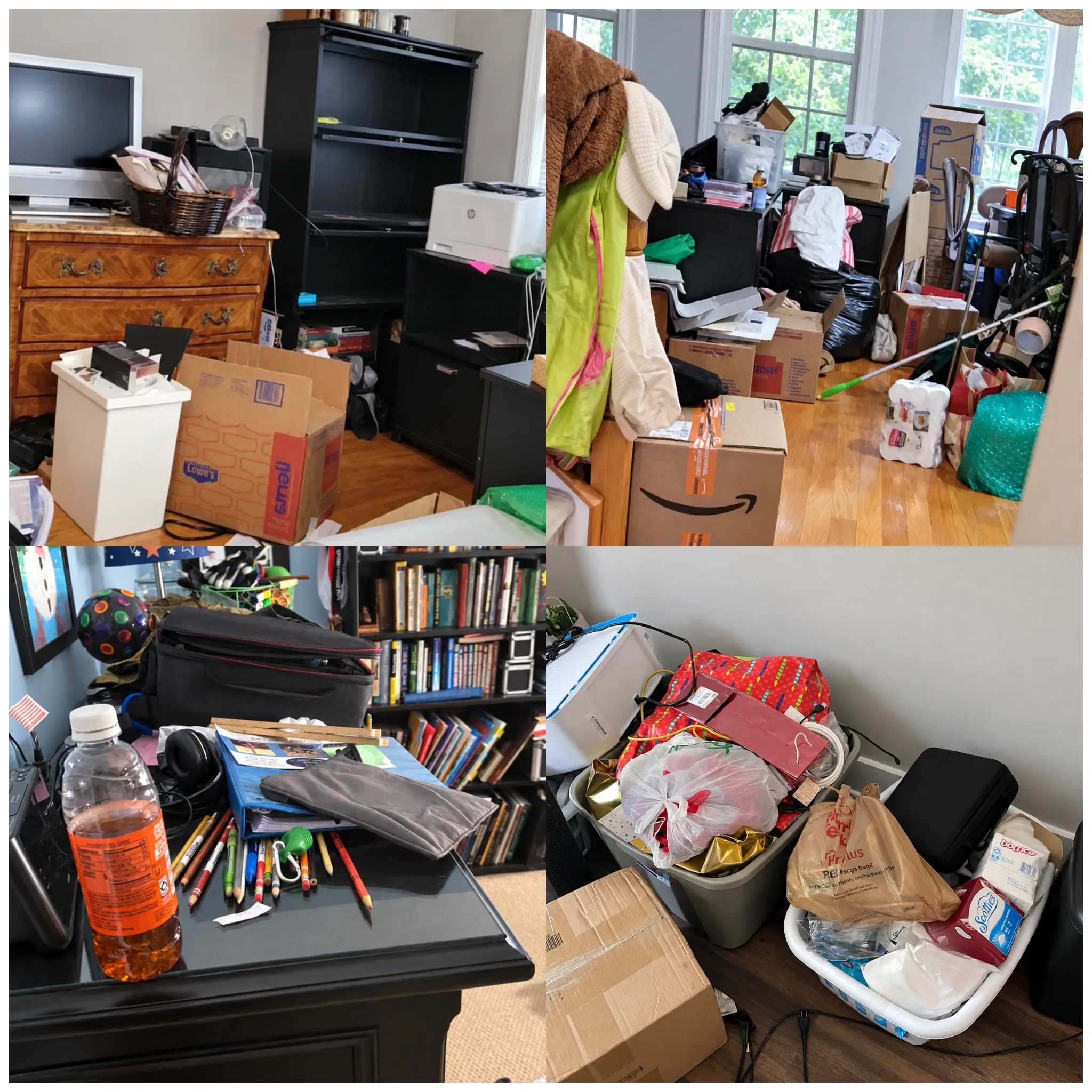
Unpacked, unsealed, and overflowing belongings are the most common source of delays on moving day.
Our team is always happy to help wherever needed. However, additional packing, organizing, clearing, or preparation on moving day may increase the time required and cause the move to exceed its original estimate.
Preparation Is the Best Way to Control Your Moving Cost
You do not have to do everything yourself to save money. Your moving company should be happy to help with packing, furniture preparation, disassembly, and moving boxes from wherever they are located.
However, when a move is billed hourly, preparation matters. Providing an accurate inventory, packing loose belongings, clearing pathways, and making decisions in advance allows your moving team to focus on what they do best: moving your belongings safely and efficiently.
The goal is not to rush the move. The goal is to eliminate preventable delays while still protecting your home and belongings.
Written by Ryan King, Founder of Dogwood Moving Co.
Based on lessons learned from thousands of moves completed across North Carolina.
Raleigh • Durham • Wilmington, NC